The Buzz on Lab Grown Diamonds
Wiki Article
Lab Grown Diamonds for Beginners
Table of ContentsThe Buzz on Lab Grown DiamondsGetting My Lab Grown Diamonds To WorkAn Unbiased View of Lab Grown DiamondsThe 45-Second Trick For Lab Grown DiamondsEverything about Lab Grown Diamonds
Conventional ruby mining can have hazardous impacts on the environment and in some cases entails underhanded labor practices. On the other hand, lab-grown rubies are produced in controlled environments using advanced technology. They leave a smaller carbon footprint and are devoid of the ethical problems usually associated with the ruby market. Lab-grown diamonds offer you a chance to conserve considerably on your interaction ring budget plan without endangering top quality.What are lab-grown diamonds? Exactly how do they compare to all-natural diamonds, and are they worth it?
They are a lot more inexpensive, but their value likely will not hold up over time. They will certainly also never ever have the exact same rarity, uniqueness and significance as an all-natural rock that was created over billions of years deep in the planet. That said, we're everything about selections at Miriam's, and we always put consumers initially.
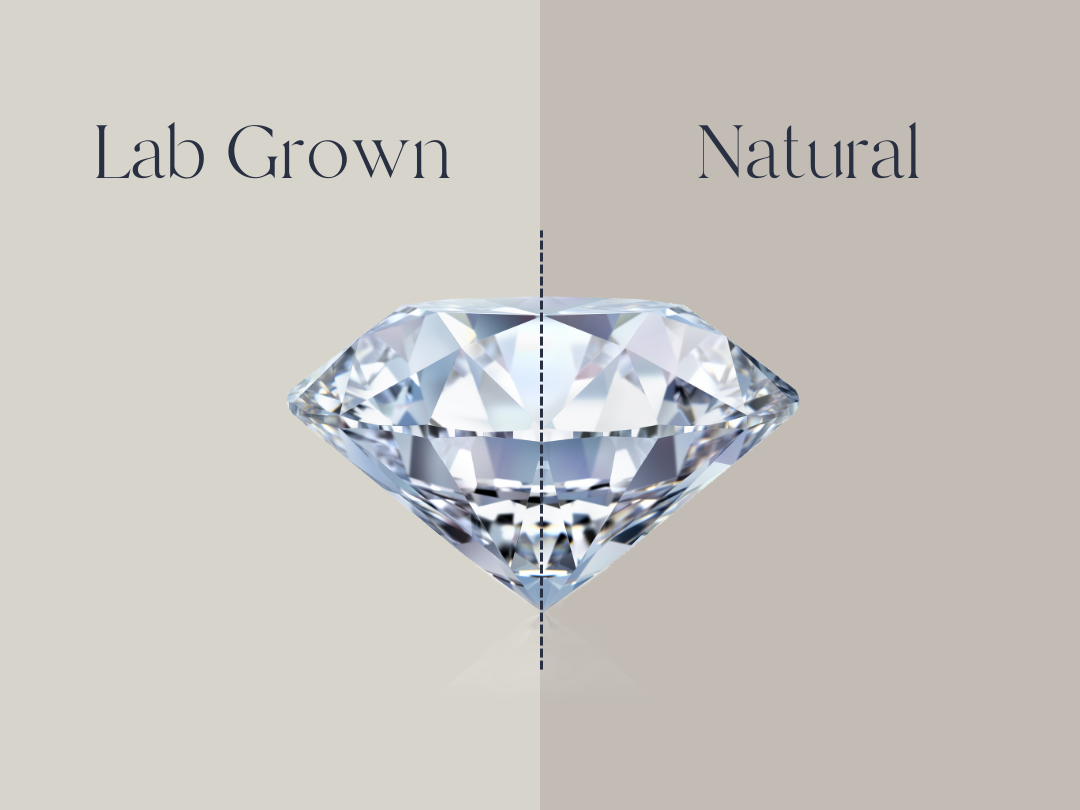
Lab-created diamonds, likewise understood as synthetic diamonds, are grown in a lab. They correspond all-natural rubies in every way, consisting of the way they glimmer and their sturdiness. You can't tell the distinction by looking. They have the same chemical and physical residential or commercial properties as rubies found in the earth, and are considered the very same gems under the Federal Trade Compensation (FTC).
The Ultimate Guide To Lab Grown Diamonds
The procedure imitates the natural development of traditional, extracted diamonds, which are formed deep in the planet's crust, under conditions of warmth and pressure. A diamond's all-natural process takes billions of years to form. On the various other hand, rubies created in a lab take only a matter of weeks to form.One of the top factors to get lab-created diamonds is that they are more cost effective. Male made diamonds can set you back approximately 30 to 40 percent much less than natural diamonds of the exact same dimension and high quality. That's due to the fact that the procedure of mining all-natural rubies is taxing, challenging, and costly. Rubies from a laboratory simply cost much less to make.
There are possibly less environmental influences since they are not extracted from the planet, and they might be much safer to make. Nonetheless, lab-made diamonds still utilize lots of energy and take substantial factories to generate, so they may not be as environmentally-friendly as we assume. You may wish to trade-in or trade-up a lab-made diamond in a couple of years, only to locate it deserves cents on what you spent for.
What Does Lab Grown Diamonds Mean?
The higher the supply, the less valuable the item. You might pay less to purchase your ruby currently, however you likely won't get a lot, if anything, back from it later on. Natural rubies are more of a financial investment since they will always be a rare commodity. Given that they took billions of years to form, there will just be many natural diamonds offered in our life time.Rubies are connected with happy events like engagements, weddings, and wedding anniversaries. When picking a diamond, you want the most effective you can afford. A lab-grown diamond might be the answer to finding the excellent cost effective piece of jewelry to celebrate your occasion or loved one. Lab-grown diamonds are recognized by several names.
Regardless of what they are called, a lab-grown ruby, true to its name, is developed in a laboratory. Pressure High-Heat approach, and the other is the Chemical Vapor Deposition method. The High-Pressure High-Heat method is a simulation of the problems that result in the formation of natural diamonds in the midsts of the planet.
The Best Guide To Lab Grown Diamonds
link Critical between all-natural diamonds and click to find out more lab-created ones is hard for the ordinary individual. A diamond simulant is a rock that resembles a ruby, however it does not have all the very same residential properties as a ruby. Cubic zirconia is one instance of an economical diamond simulant. Moissanite is one more instance of a ruby simulant.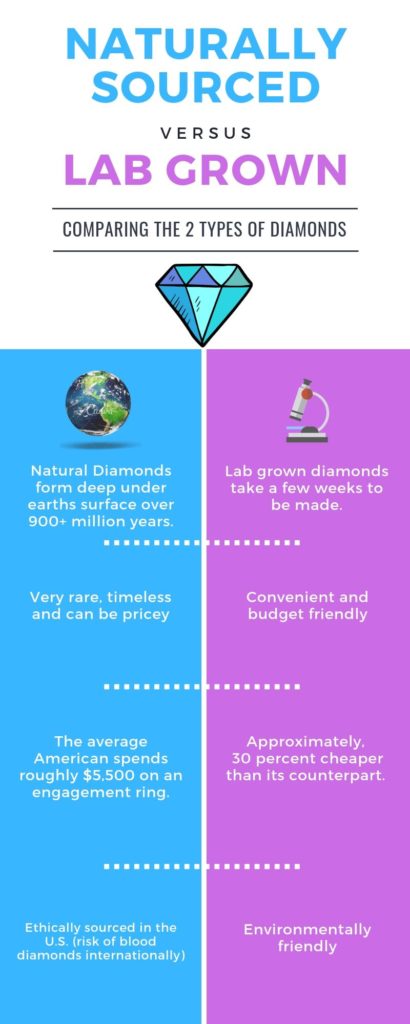
Neither of these stones is the very same as a lab-created diamond. Lab-created rubies are made from carbon like natural rubies are. A lab-grown diamond's atomic make-up is the exact same as that of a natural ruby. These are actual rubies, not simulants. Lab-grown diamonds have the same make-up as natural rubies.
The damages to ecological communities and watersheds prolongs well past the hole where the ruby mine lies. our website Between damage to natural habitats and the use of fossil fuels for running tools, diamond mines are not eco-friendly. Lab-grown rubies, however, can be grown making use of sustainable sources to power the facilities.
Not known Facts About Lab Grown Diamonds
This is another factor to think about a lab-grown ruby. This implies you can get a larger lab-created stone for the very same money.
Report this wiki page